
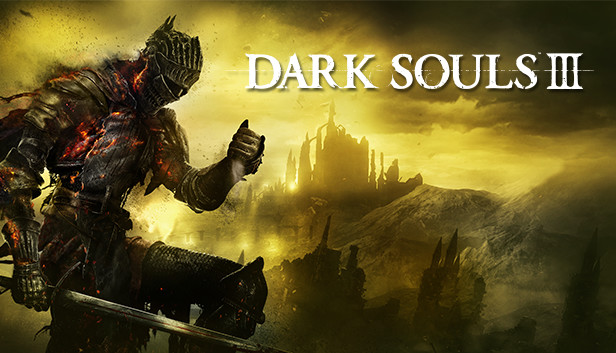
The debate over difficulty in video games has raged for decades, but it reached a fever pitch with the rise of FromSoftware’s Soulsborne genre. Dark Souls (2011) didn’t just popularize hard games — it made difficulty a selling point. Fifteen years later, the industry is split between developers who embrace brutal challenge and those who prioritize accessibility.
The Soulsborne Revolution
Before Dark Souls, “hard” in gaming usually meant arcade-style punishment — limited lives, cheap deaths, and memorization. FromSoftware reinvented difficulty as a communication tool. Every enemy placement, every ambush, every boss tells a story about the world. Death isn’t punishment; it’s information.
This philosophy spawned an entire subgenre. Nioh, Hollow Knight, Blasphemous, Hollow Knight: Silksong, Lies of P, and Stellar Blade all borrow from the Souls formula. Even games that aren’t Soulslikes — Returnal, Hades, Dead Cells — incorporate permadeath and progression loops that reward persistence.
The Accessibility Counter-Movement
But the Soulsborne approach has its critics. Accessibility advocates argue that locking content behind difficulty walls excludes players with disabilities, older gamers, and those who simply don’t have the time to “git gud.”
The Last of Us Part II’s exhaustive accessibility options — 60+ settings including blind playthrough support — set a new standard. Naughty Dog proved that a game can be challenging for those who want it while being completable for those who need assistance. Sony’s first-party studios have largely followed suit: God of War Ragnarök, Spider-Man 2, and Horizon Forbidden West all feature robust difficulty customization.
The Middle Ground
Some developers are finding ways to bridge the gap. Sekiro: Shadows Die Twice added an optional “Kuro’s Charm” difficulty modifier for hardcore players while keeping the base game challenging but fair. Elden Ring opened up its world, allowing players to skip difficult areas and return stronger — a design choice that made it FromSoftware’s best-selling game by far.
Indie games are also experimenting. Tunic hid its instruction manual in-game, letting players discover mechanics naturally — a nod to old-school difficulty without the punishment. Cult of the Lamb paired roguelike difficulty with management sim relaxation, letting players choose their preferred ratio of stress to comfort.
Where Do We Go From Here?
The future isn’t “hard” or “easy” — it’s choice. Games like Final Fantasy VII Rebirth offer Story Mode for narrative-focused players and Hard Mode for veterans, with granular options in between. The success of games like Balatro — which can be as casual or as deep as you want — proves that flexibility isn’t just nice to have; it’s a design philosophy that broadens the audience.
The Soulsborne genre isn’t going anywhere. FromSoftware’s next project, whatever it is, will be hard. But the industry around it is learning that difficulty is a spectrum, not a binary. And that’s good news for everyone who loves games.