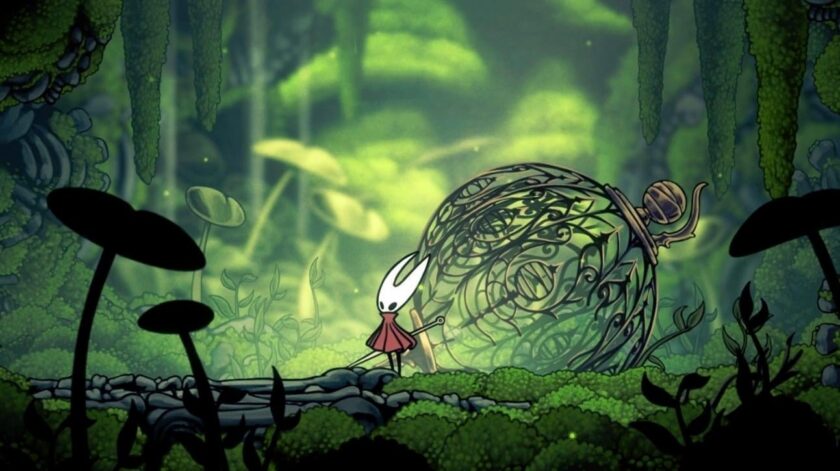
Hollow Knight: Silksong’s $20 price tag is back in the news — and this time it’s the pricing experts doing the complaining. Cassia Curran, a video game pricing specialist who analyzes Steam pricing models for developers, told The Game Business that Team Cherry’s decision to launch its seven-year-in-the-making sequel at $20 genuinely “annoyed” her. “I was like, ‘Oh god, please price it higher. $24.99 would have made like a big difference to a lot of studios that have similar games.'”
A Seven-Year Game, Five Dollars More Than Its Predecessor
The math explains why the price still stings across the industry. Silksong took roughly seven years to make, runs a roughly 30-hour single-player campaign, and shipped with visibly improved production values — yet launched at $20, just $5 more than Hollow Knight’s famously cheap $15 debut in 2017. It became one of the most popular games on Steam in 2025 and a genuine Game of the Year contender against AAA heavyweights, which is exactly the problem: it set an almost impossible-to-meet benchmark for what a $20 game is expected to be.
The Price Ceiling Problem
Curran maintains a tool that helps developers study successful pricing models on Valve’s storefront, and her warning is structural: “I would say there is actually quite a lot of downward pricing pressure, especially with friendslop these days.” If you can’t make a case for why your roguelike or metroidvania should cost more than your most successful rivals, you’re hemmed in by the price ceiling they’ve already set — whether that’s sustainable for your project or not.
The current market makes it harder, not easier. Kotaku points to Tribute Games’ Scott Pilgrim EX, a $30 retro beat-em-up whose sales struggled when Steam users balked at the price, while Yacht Club’s $20 Mina the Hollower found more success at the lower point. Meanwhile the influx of vibe-coded slop — and studios using generative AI to launch near-identical rival games days later — has already pushed some developers to ditch open playtests and free demos.
The Debate Rages Since Launch Day
This isn’t a new argument. When Team Cherry announced the $19.99 price alongside Silksong’s September 4, 2025 release date, developers were already bracing. “Silksong honestly should cost 40 bucks and I’m not even joking,” composer and Unbeatable director RJ Lake wrote at the time. “It will have effects, and not all of those effects are good.” Lone Fungus’ developer asked publicly what to charge now that Silksong occupied the $20 slot; Toukana delayed Star Birds to avoid competing with it; Devolver moved Baby Steps out of its launch week.
Not everyone agrees the benchmark matters. Citizen Sleeper creator Gareth Damian Martin called Silksong “just one data point” that can’t really shift the going rate for indies on its own. And Team Cherry has an obvious cushion its imitators don’t: Hollow Knight has sold an astronomical 15 million copies — “Financially, Team Cherry is made.” For studios without that safety net, Curran’s argument is that the industry’s most beloved under-pricer is also its most expensive habit.