2026 has been the year of the remake. Resident Evil 5, Metal Gear Solid Delta: Snake Eater, Silent Hill 2, and Persona 3 Reload all launched within months of each other — and all sold millions. The remake boom isn’t slowing down; it’s accelerating. But why now, and what does it mean for the industry?
Why Remakes? The Business Case
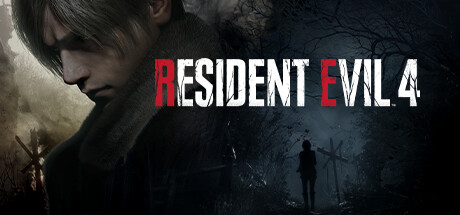
For publishers, remakes are low-risk, high-reward. A beloved classic comes with built-in brand recognition, an existing fan base, and proven gameplay. Capcom’s Resident Evil remakes — RE2 (2019), RE3 (2020), RE4 (2023) — have collectively sold over 25 million copies. That’s not nostalgia; that’s business.
The economics work because the audience has expanded. A 20-year-old game was played by maybe 5 million people. Today’s gaming audience is 3.4 billion strong. For most players, a remake isn’t a revisit — it’s a new release they’ve never played before.
Remake vs. Remaster: What’s the Difference?
The industry uses these terms loosely, but there’s a meaningful distinction:
- Remaster: The original game, with improved graphics, higher resolution, and maybe some quality-of-life updates. Example: Mass Effect Legendary Edition.
- Remake: Built from scratch on a modern engine, with redesigned gameplay, new camera systems, and expanded content. Example: Resident Evil 4 (2023).
- Reimagining: A new game that uses the original as inspiration but changes fundamental elements. Example: Final Fantasy VII Remake.
2026’s lineup spans all three. Persona 3 Reload is a full remake with a new battle system. Silent Hill 2 is a reimagining that changes level design and combat. Metal Gear Solid Delta aims to be a faithful remake with modern graphics — Konami’s safest possible bet.
The Technology Factor
Modern game engines — Unreal Engine 5, Unity 2026, Capcom’s RE Engine — make remakes more feasible than ever. RE Engine, in particular, has been Capcom’s secret weapon, allowing the studio to rebuild Resident Evil games at a fraction of the cost of an original title. The result: remakes that look and play better than most new releases.
The Nostalgia Question
There’s a psychological dimension to the remake boom. The gaming audience is aging. Players who grew up with PlayStation 1 and 2 are now in their 30s and 40s with disposable income and limited time. A remake offers something a new IP can’t: the promise of a known, beloved experience, updated for modern expectations.
But nostalgia alone doesn’t sell 10 million copies. The Resident Evil 4 remake succeeded because it’s a genuinely great game that stands on its own merits. Silent Hill 2’s remake works because Bloober Team understood what made the original special — psychological horror, not jump scares — and built a modern game around that core.
What’s Next?
The remake pipeline is full. Capcom has confirmed Resident Evil 6 and Code: Veronica remakes are in development. Konami is reportedly remaking Metal Gear Solid 2 and 3. Square Enix continues the Final Fantasy VII Remake trilogy with Part 3 expected in 2027. Rockstar is rumored to be considering a Red Dead Redemption remake.
For now, remakes and remasters are a win-win: publishers get reliable revenue, players get updated versions of classics they love, and the industry gets to revisit and preserve its history. The danger is when remakes replace original IP — but with games like Black Myth: Wukong, Helldivers 2, and Balatro proving that new ideas can still break through, the balance seems healthy.
The past is prologue. And in 2026, the past is also very, very profitable.